
Mizuno Wave Rider 30 running shoe
8.5/10 (Expert Score)




The Mizuno Wave Rider 30 running shoe is not merely another new version in the history of the Wave Rider, but a completely new running shoe. Every part has changed significantly, so running in it feels completely different from the previous versions. The upper is heavily padded, soft and comfortable; the midsole is higher and wider and now has a full-length plate; and the outsole is more segmented. The Wave Rider is still best suited to longer, lower-intensity runs or to runners who want high comfort, but it is also lightweight and has enough dynamism for the occasional faster section. It is a perfect choice if you use one running shoe for all your road runs, a good first running shoe if you are just starting to run, and it is also suitable for walking.


Description
Mizuno Wave Rider 30 running shoe review – opinion, price, comparison, who it is recommended for
Mizuno Wave Rider 30 running shoe at a glance
- Category: max-cushion running shoes
- Cushioning: high
- Stability: neutral, high
- Weight: women’s: 230 g men’s: 265 g
- Drop: 8 mm
- Recommended pace:
- Recommended distance:
- Typical Hungarian retail price range:
- Recommended retail price: 150 €
- Lowest price: €110.00
- Release date: June 1, 2026
The Mizuno Wave Rider 30 is a max-cushion, stable-feeling neutral running shoe for longer, lower-intensity road runs. It is a good choice for runners looking for a comfortable, soft and well-cushioned shoe without wanting a heavy, sluggish running shoe. Its main strengths are its soft, stable and lightweight construction; its main limitation is that there are better shoes for fast workouts and racing.
The Mizuno Wave Rider 30 is a good choice if you are looking for a comfortable and stable neutral running shoe for longer road runs.
Key facts about the Mizuno Wave Rider 30 running shoe
- The Mizuno Wave Rider 30 is a soft, stable and modern running shoe for longer road runs.
- The Mizuno Wave Rider 30 belongs among comfortable, highly cushioned running shoes, but feels lighter and more dynamic than many shoes in its category.
- The Mizuno Wave Rider 30 is designed for runners looking for one reliable shoe for easy, longer and occasionally faster road runs.
Who the Mizuno Wave Rider 30 running shoe is recommended for
- Recommended if you are looking for a comfortable shoe for longer, lower-intensity road runs.
- Recommended if you want high cushioning without a heavy running shoe.
- Recommended if you are looking for a neutral shoe but good stability is important to you.
- Recommended if you would use one shoe for most of your road runs.
- Recommended if you are a beginner looking for a comfortable, secure and well-cushioned shoe.
Who the Mizuno Wave Rider 30 running shoe is NOT recommended for
- Not recommended if you are looking for a running shoe for fast workouts or racing.
- Not recommended if you want a lightweight, firm shoe tuned for faster running.
- Not recommended if you are specifically looking for a highly breathable upper for hot summer runs.
- Not recommended if you like a very aggressive ride that strongly tips you forwards.
Mizuno Wave Rider 30 running shoe upper
The Mizuno Wave Rider 30 running shoe upper is made from a soft, comfortable and thicker-than-average mesh material called 1BY1, with average breathability. Your feet may feel warm in it on hotter summer days or at the gym, but the thick padding and mesh material wick sweat away well.
The upper is clearly focused on comfort. Even the regular-width version provides plenty of room around the toes, while both the tongue and heel are more heavily padded than average. The tongue is attached on both sides, although tongues this thick rarely move around easily during a run anyway.
In addition to being heavily padded, the heel collar is rigid, so it holds the foot not only comfortably but securely as well. The midsole foam rises slightly around the upper, which also helps provide stable and secure foot containment.
The shoe fits true to size, but as is typical for Mizuno, it runs slightly long. If you are between two sizes, the smaller one should be sufficient. In addition to the regular width, the shoe is also available in a wide version.
It is a small detail, but it helps a lot that there is 1 pull tab on the tongue and 1 on the heel collar, making the shoe quick and easy to put on.
Frequently asked questions about the Mizuno Wave Rider 30 running shoe
What type of runners and runs is the Mizuno Wave Rider 30 running shoe recommended for?
Is the Mizuno Wave Rider 30 running shoe suitable for beginners?
How durable is the Mizuno Wave Rider 30 running shoe?
Is the Mizuno Wave Rider 30 running shoe suitable for long runs?
Is the Mizuno Wave Rider 30 running shoe suitable for wide feet?
Is the Mizuno Wave Rider 30 running shoe better for road or trail running?
How stable is the Mizuno Wave Rider 30 running shoe?
Is the Mizuno Wave Rider 30 running shoe worth the price?
What types of runs is the Mizuno Wave Rider 30 running shoe recommended for?
What running paces is the Mizuno Wave Rider 30 running shoe designed for?
What running distances is the Mizuno Wave Rider 30 running shoe suitable for?
How wide is the upper of the Mizuno Wave Rider 30 running shoe and what type of foot is it recommended for?
Is the Mizuno Wave Rider 30 running shoe a stability or neutral running shoe?
What is the drop of the Mizuno Wave Rider 30 running shoe?
How high is the midsole of the Mizuno Wave Rider 30 running shoe?
How much does the Mizuno Wave Rider 30 running shoe weigh?
What is the sole construction of the Mizuno Wave Rider 30 running shoe?
What price category is the Mizuno Wave Rider 30 running shoe sold in?
When was the Mizuno Wave Rider 30 running shoe released?
How is the Mizuno Wave Rider 30 running shoe better / different from the Mizuno Wave Rider 29 running shoe?
Mizuno Wave Rider 30 running shoe midsole
The Mizuno Wave Rider 30 running shoe midsole consists of 3 layers. On top is nitrogen-infused supercritical EVA ENERZY NXT foam, which is soft and comfortable but also dynamic. Underneath is ENERZY NXT foam without nitrogen infusion, which is slightly firmer and therefore stabilises the shoe well. Between the two foam layers is a thin, full-length plastic plate that also helps with stability and supports a more dynamic toe-off. The midsole has an 8 mm drop and measures 42.5 mm at the rear and 34.5 mm at the front. Its height is paired with sufficient width, so although the Wave Rider 30 is a neutral running shoe, it offers particularly good stability.
Together, the 3 layers create a versatile midsole that is soft and comfortable but stable. At the same time, it does not feel rigid or firm. It works best on longer, lower-intensity runs, but you can pick up the pace in it and run the occasional faster section. The Mizuno Wave Rider 30 occupies a rare middle ground among running shoes. It delivers the comfort of max-cushion running shoes but is much lighter, while also being more stable and comfortable than most versatile shoes designed for faster running. Because of the increased midsole width used to improve stability, I would not necessarily choose it for faster runs, but if you only own one running shoe, you will still be able to run faster than your usual pace in it.
The 8 mm drop suits both heel strikers and runners who land on the forefoot. It provides more cushioning at the rear and feels more dynamic at the front. It is less curved at the rear but more strongly curved at the front, cushioning smoothly at the heel and rolling easily through the forefoot.
Mizuno Wave Rider 30 running shoe outsole
The Mizuno Wave Rider 30 running shoe outsole is made from a rubber compound called x10, which is on the firmer side and is a perfect choice for the character of the shoe. It is not super-grippy like the outsole of a fast racing shoe, but in return it is durable and reliable. It grips well on dry surfaces and its traction is not bad on wet surfaces either. The outsole is slightly thicker than average, further increasing its durability.
The outsole is segmented not only at the rear around the heel but also at the front, which is a change in the evolution of the Wave Rider. Thanks to the greater segmentation, the outsole stiffens the midsole less, and now that there is a full-length plate in the midsole, this is no longer necessary. The larger cutouts make the outsole lighter, while the large midsole cutout that ends in a fork-like shape at the forefoot also reduces weight and increases stability.
What is it like to run in the Mizuno Wave Rider 30 running shoe?
Cushioning and midsole
The midsole of the Mizuno Wave Rider 30 running shoe is higher than average, so it also provides better shock absorption. The softer upper layer is responsible for comfort, while the slightly firmer and stiffer lower foam layer increases cushioning. The full-length plate in the midsole improves both stability and dynamism.
The Mizuno Wave Rider 30 provides high cushioning without feeling heavy on foot.
Stability and guidance
The Mizuno Wave Rider 30 running shoe offers good stability relative to the height of its midsole. This is primarily due to the plate in the midsole, the wider platform and the slightly firmer lower foam layer. The heel is not sharply rounded, but it guides the foot well, while the forefoot is strongly curved, creating fast and smooth transitions.
Upper and comfort
The upper of the Mizuno Wave Rider 30 running shoe is extremely comfortable. Both the tongue and heel collar are heavily padded, and the upper material is soft. Even the regular-width version provides room around the toes, but a wide version is also available.
Ground contact and grip
The Mizuno Wave Rider 30 running shoe has an 8 mm drop, which suits heel strikers as well as runners who land on the midfoot or forefoot. The midsole has sufficient curvature, so transitions are pleasant, smooth and quick. The outsole is made from a firmer, more durable rubber compound, but its grip is sufficient for the purpose of the Wave Rider 30: primarily lower-intensity and potentially longer road runs.
Pace and dynamism
The Mizuno Wave Rider 30 running shoe is considered lightweight and fast within its category of max-cushion running shoes. It is fundamentally intended for longer, lower-intensity runs, but it can handle the occasional faster section. Transitions are quick and the midsole has some dynamism, but its geometry (height, width and curvature) primarily favours lower-intensity running.
Long runs vs tempo runs vs training
The Wave Rider 30 is not a racing shoe, but a comfortable, reliable running shoe for covering plenty of road miles.
The benefits of the Mizuno Wave Rider 30 running shoe are best used during longer training runs. It is comfortable and offers good shock absorption and stability (for a neutral running shoe), which are fundamental requirements for longer runs. Although it has some dynamism, there are more suitable running shoes within the brand for racing or fast workouts.
The Wave Rider 30 works best on easy runs, but it can also handle shorter, faster sections.
Who is the Mizuno Wave Rider 30 running shoe recommended for – and who is it not?
The Mizuno Wave Rider 30 running shoe is primarily recommended for runners looking for a max-cushion running shoe that is lightweight, also has some dynamism and can handle the occasional faster section. They are also looking for sufficient stability alongside a high and soft midsole.
The Mizuno Wave Rider 30 running shoe is not recommended for runners looking for a fast running shoe, whether for longer distances or short, fast runs.
What has changed compared with the previous version? Mizuno Wave Rider 30 running shoe vs Wave Rider 29.
The Mizuno Wave Rider 30 has gained a completely new character compared with the previous version.
The Mizuno Wave Rider series has made major strides and changed significantly in recent years, but the 30th version surpasses even those updates. Thanks to the substantial changes, it now sits close to the boundary between two categories: max-cushion running shoes and versatile running shoes for faster sessions.
The upper has become thicker, more padded and more comfortable, but its breathability has become slightly weaker.
The midsole is higher and wider, more comfortable and more dynamic, with better cushioning. The plate in the midsole now runs the full length, whereas in previous versions it was present only in the rear half of the midsole.
The outsole has become more segmented, but it has retained its good grip and durability.
Despite all these positive increases, the weight of the shoe has not changed, which is an engineering achievement. Considering only the increased midsole volume and the full-length plate, the weight of the shoe should have increased, but new, lighter materials were used, allowing it to retain a weight considered low for its category.
Alternatives to the Mizuno Wave Rider 30 running shoe – comparison
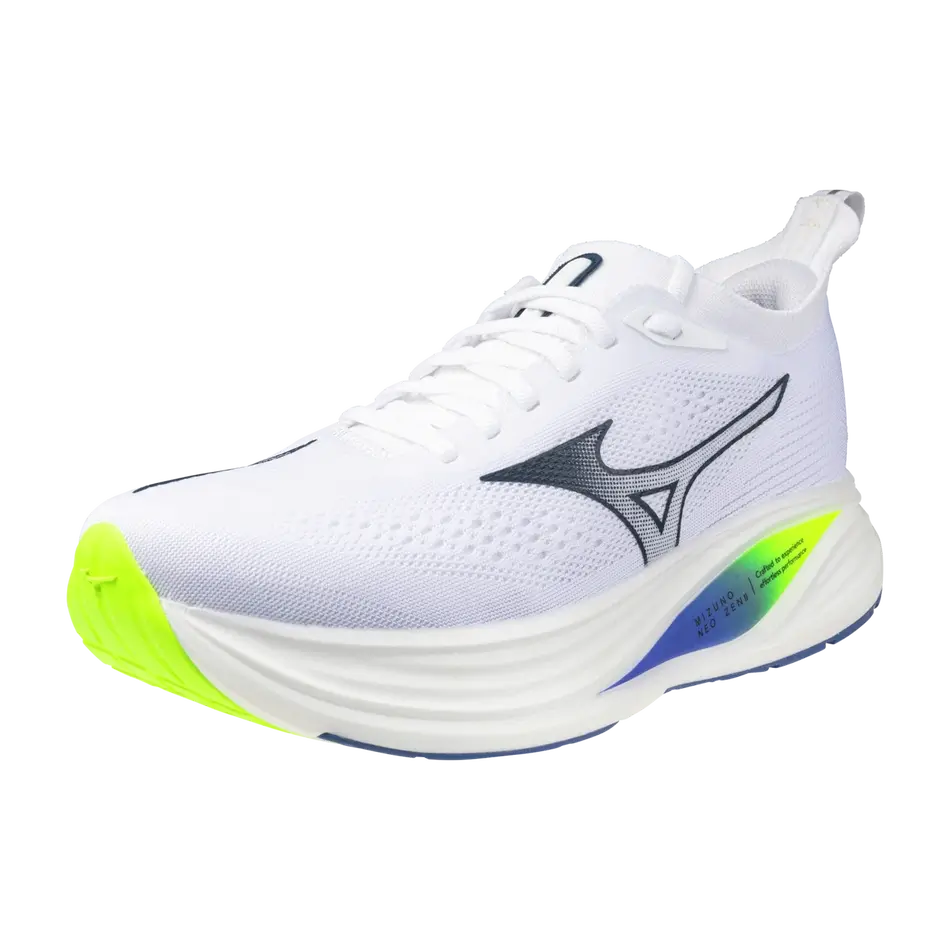
Mizuno Neo Zen 2: it is similar to the Wave Rider 30 in many ways, yet still different. Its midsole is made from the same materials, but it has no plate, is 2 mm lower, 25 grams lighter, more flexible and faster, so it can be a good choice if you are looking for a more pace-oriented alternative.
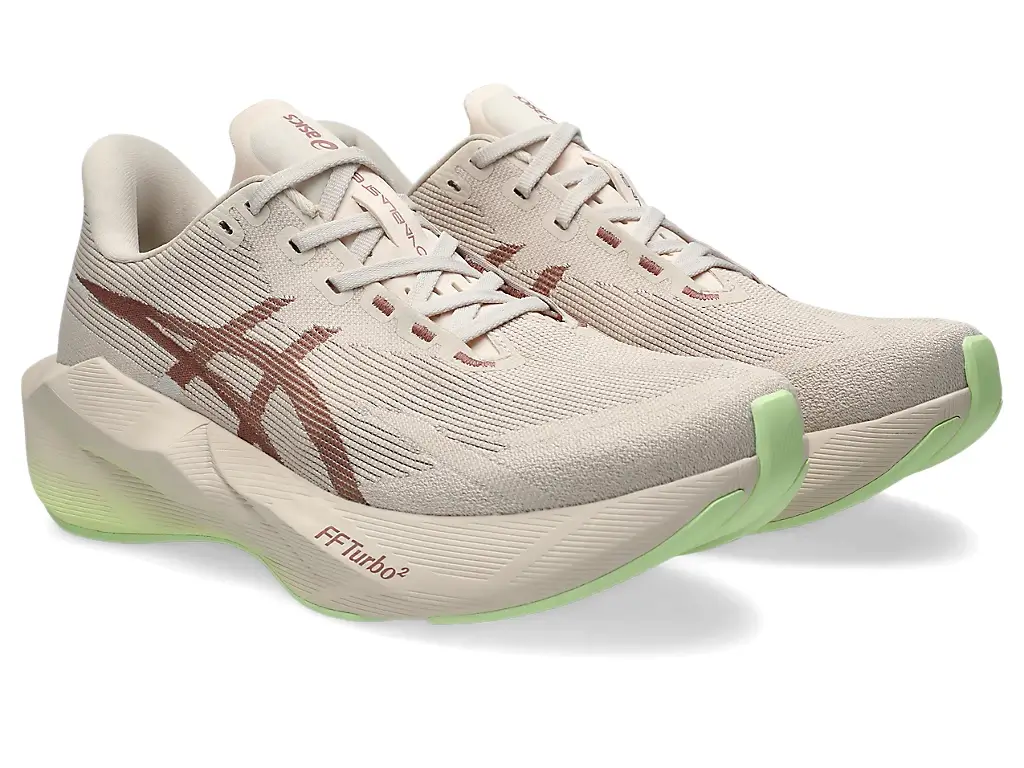
ASICS Novablast 6: it is similarly highly cushioned, but slightly lighter and more dynamic than the Mizuno Wave Rider 30. If being able to run fast is important, the Novablast 6 may be the better choice, but if the focus is on longer runs, the Wave Rider 30 may be the better option
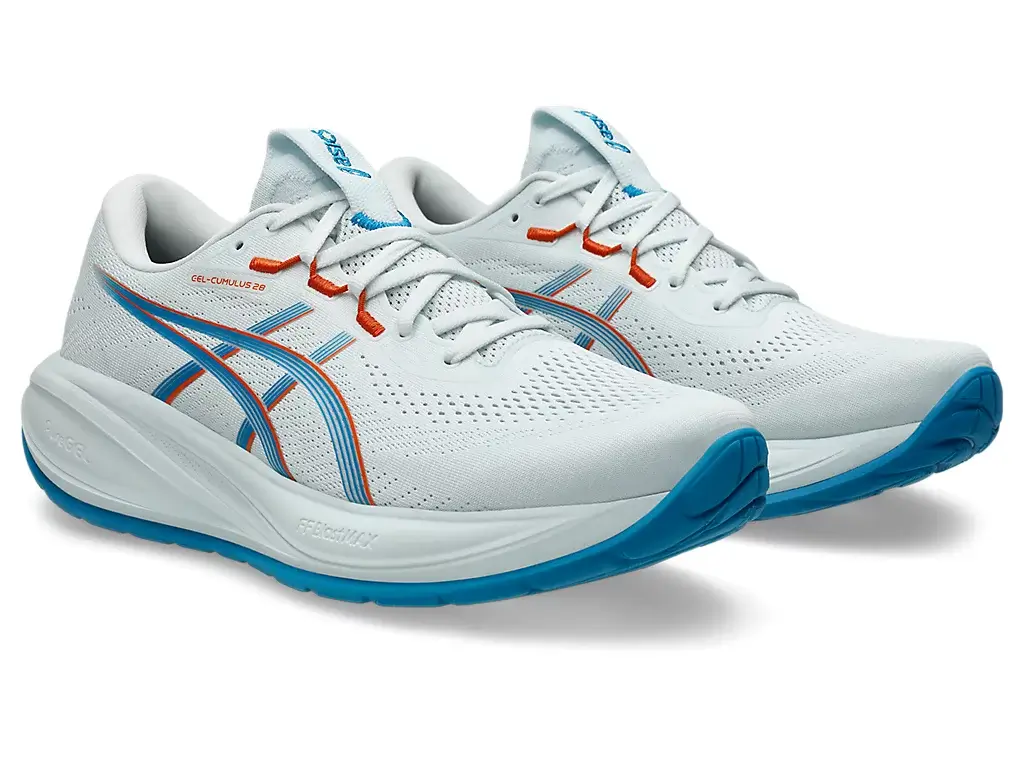
ASICS Gel-Cumulus 28: the Cumulus used to be a major rival to the Wave Rider, but both shoes have changed significantly and have therefore moved further apart. The Cumulus is less cushioned than the Wave Rider 30, but it still offers good shock absorption. It is more flexible and more breathable, but the Wave Rider 30 may be a better choice for longer runs.
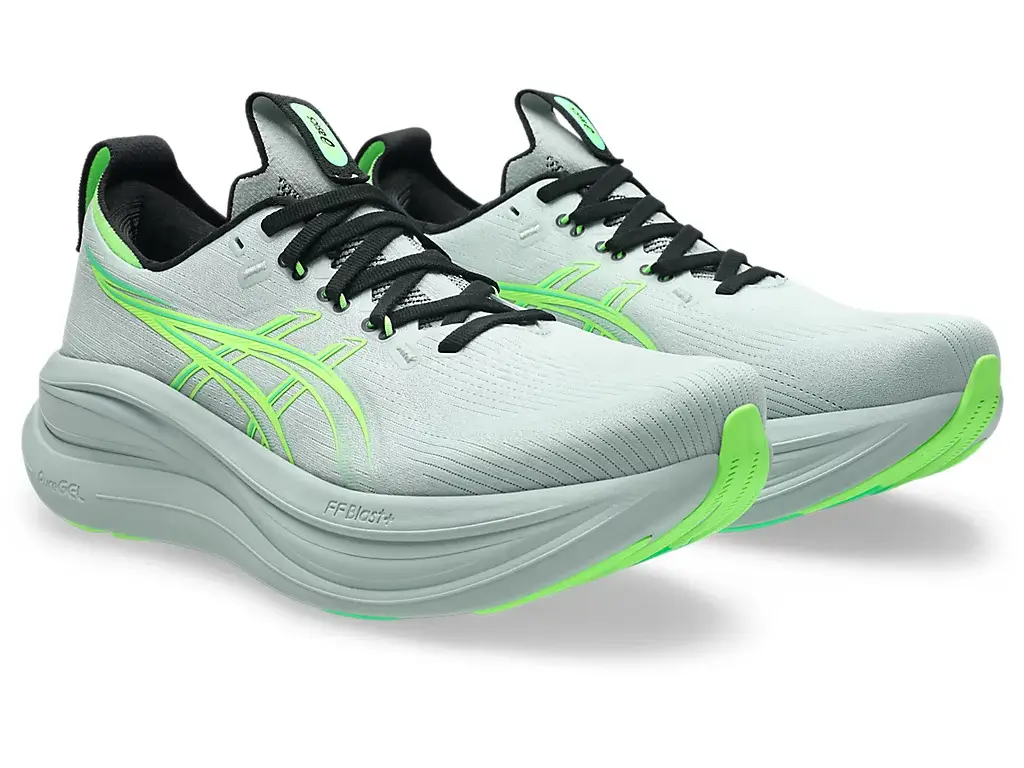
ASICS Gel-Nimbus 28: previously, the two shoes were not in the same category, but because the midsole thickness of the Wave Rider 30 has increased significantly, the difference between them has been reduced to 1 mm. The Wave Rider 30 is lighter and feels softer because of its upper foam layer. Both shoes have midsoles that are not only high but also wide, so despite being neutral running shoes, they both provide good stability. Both shoes are designed for long, lower-intensity runs, but if you also want to run the occasional faster section, the Wave Rider 30 is the better choice. The Nimbus 28 has better grip, so if this is an important factor, it is the better choice.

Saucony Triumph 23: they have similar weights and similarly comfortable, padded uppers, and both shoes are designed for longer, lower-intensity runs, yet the ride feels completely different in the two models. The Wave Rider 30 has a higher and softer midsole, while the Triumph 23 has a firmer but bouncier and more curved midsole.
Is there a difference between the men’s and women’s Mizuno Wave Rider 30 running shoe?
The fact that the Mizuno Wave Rider 30 is available in a unisex version in addition to the men’s and women’s versions also suggests that the only real differences are the colours. Structurally, the women’s Mizuno Wave Rider 30 is identical to the men’s and unisex versions. Officially, the men’s version is 35 grams heavier, but this is primarily because the women’s Wave Rider 30 running shoe is weighed in a smaller size.
Mizuno Wave Rider 30 running shoe Prices
Price History
Additional information
Specification: Mizuno Wave Rider 30 running shoe
|


There are no reviews yet.